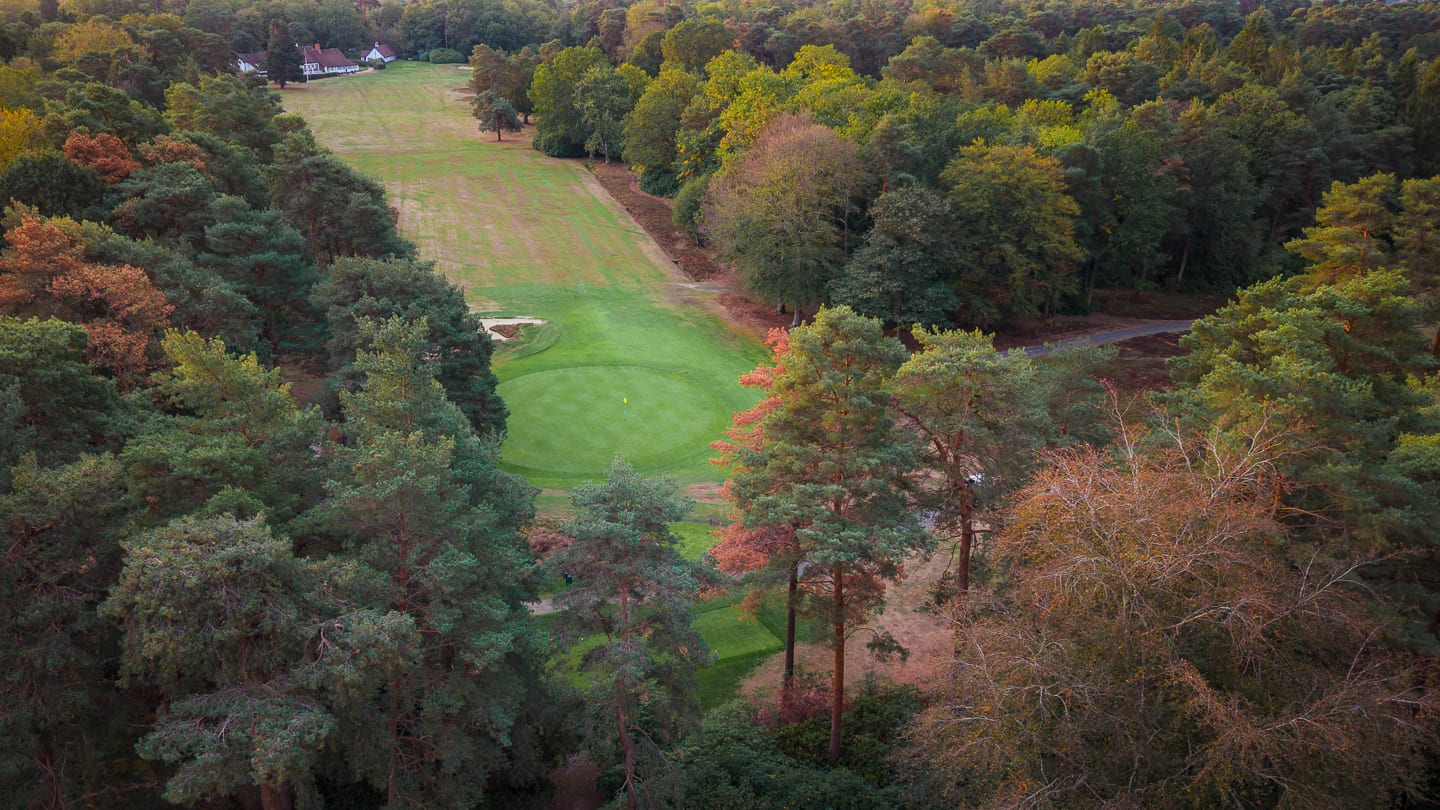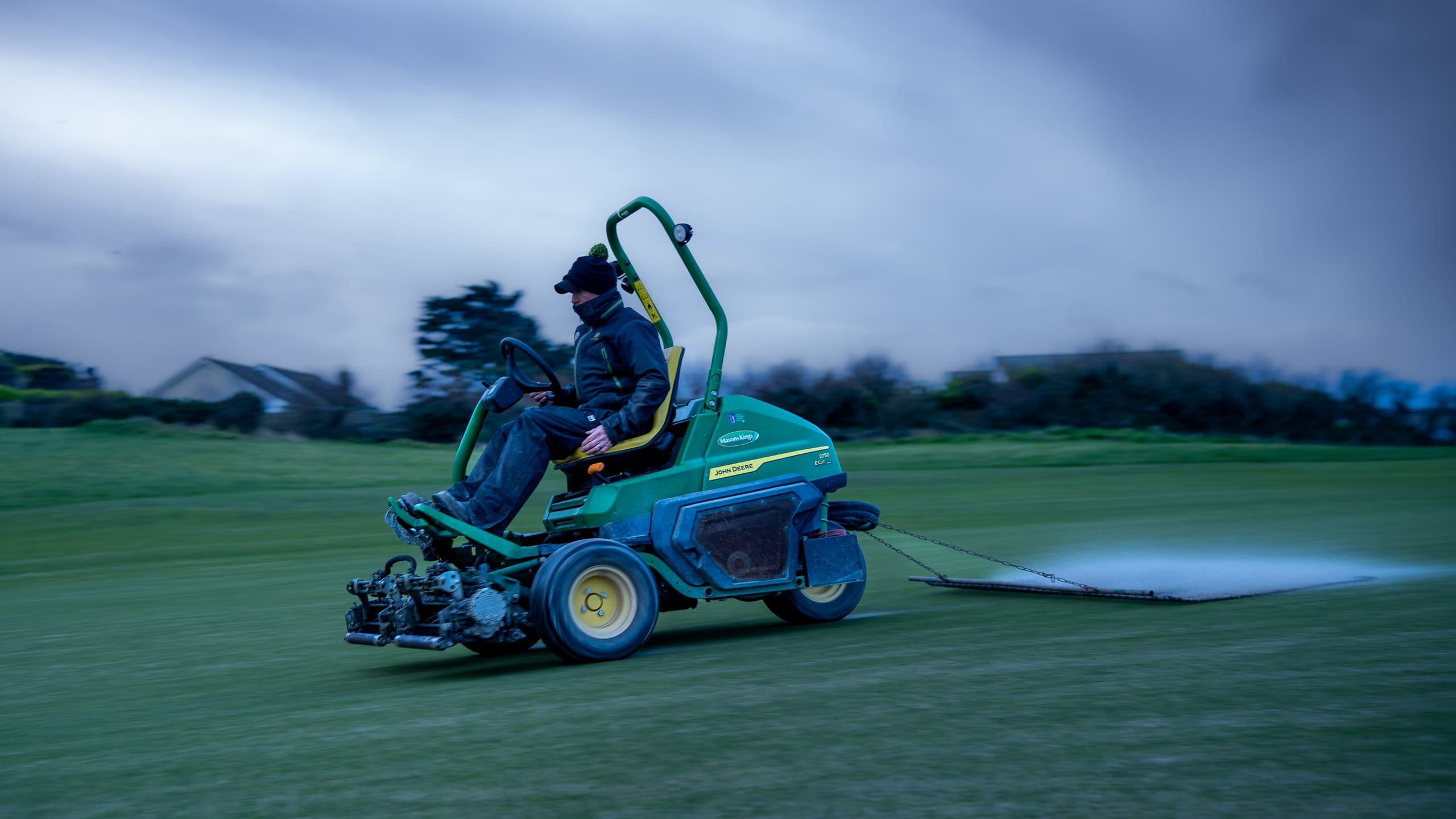
This year, I've walked through the maintenance gates of more than 10 golf courses with my camera, often meeting the greenkeeping teams for the first time. One thing has remained consistent: the friendly, welcoming attitude of Head Greenkeepers, Course Managers and their teams.
That warmth and openness has been remarkable, particularly when you consider the enormous pressure they've been under to keep courses playable through an extended period of drought.
Drought on the Cornish links
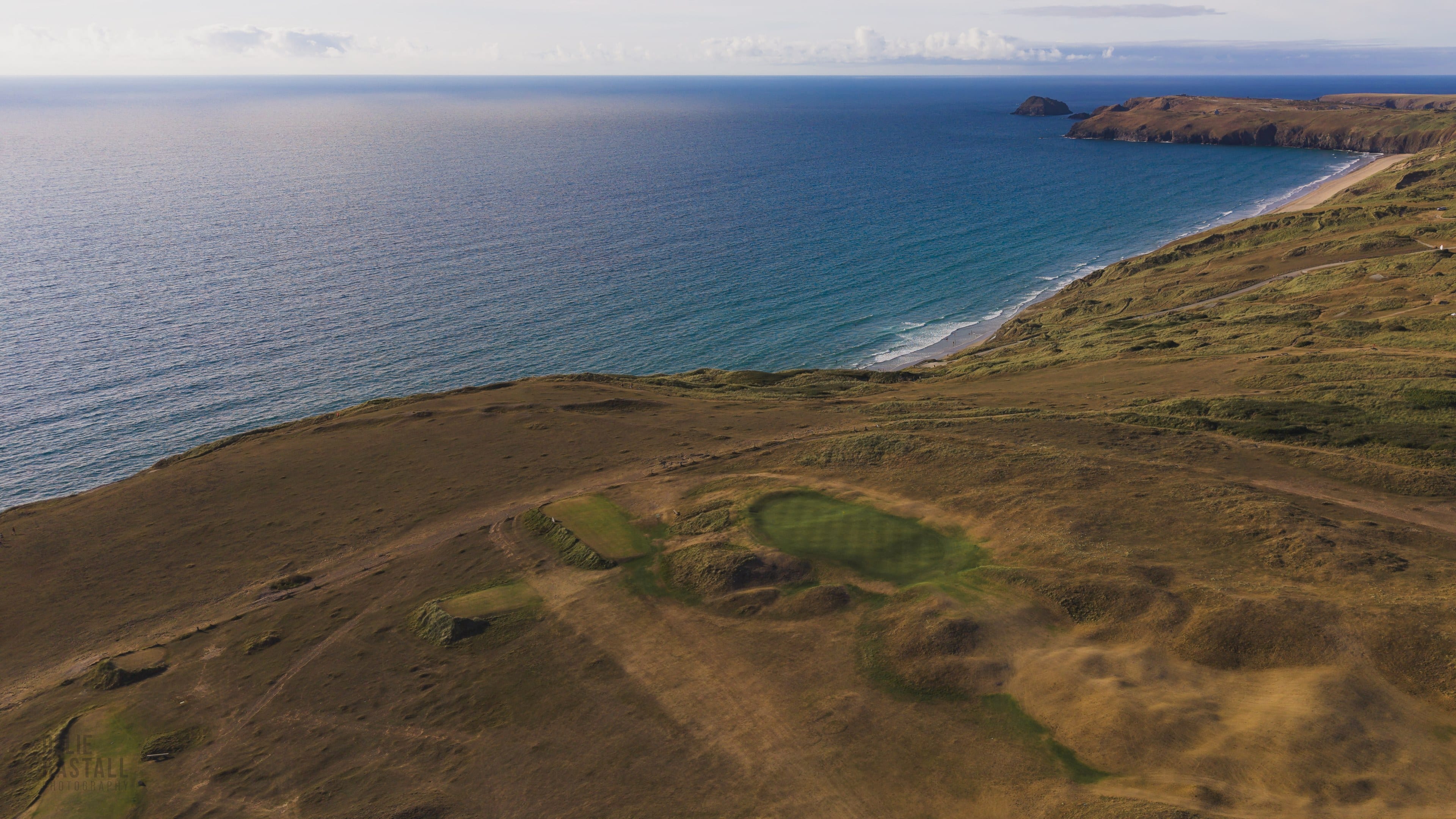
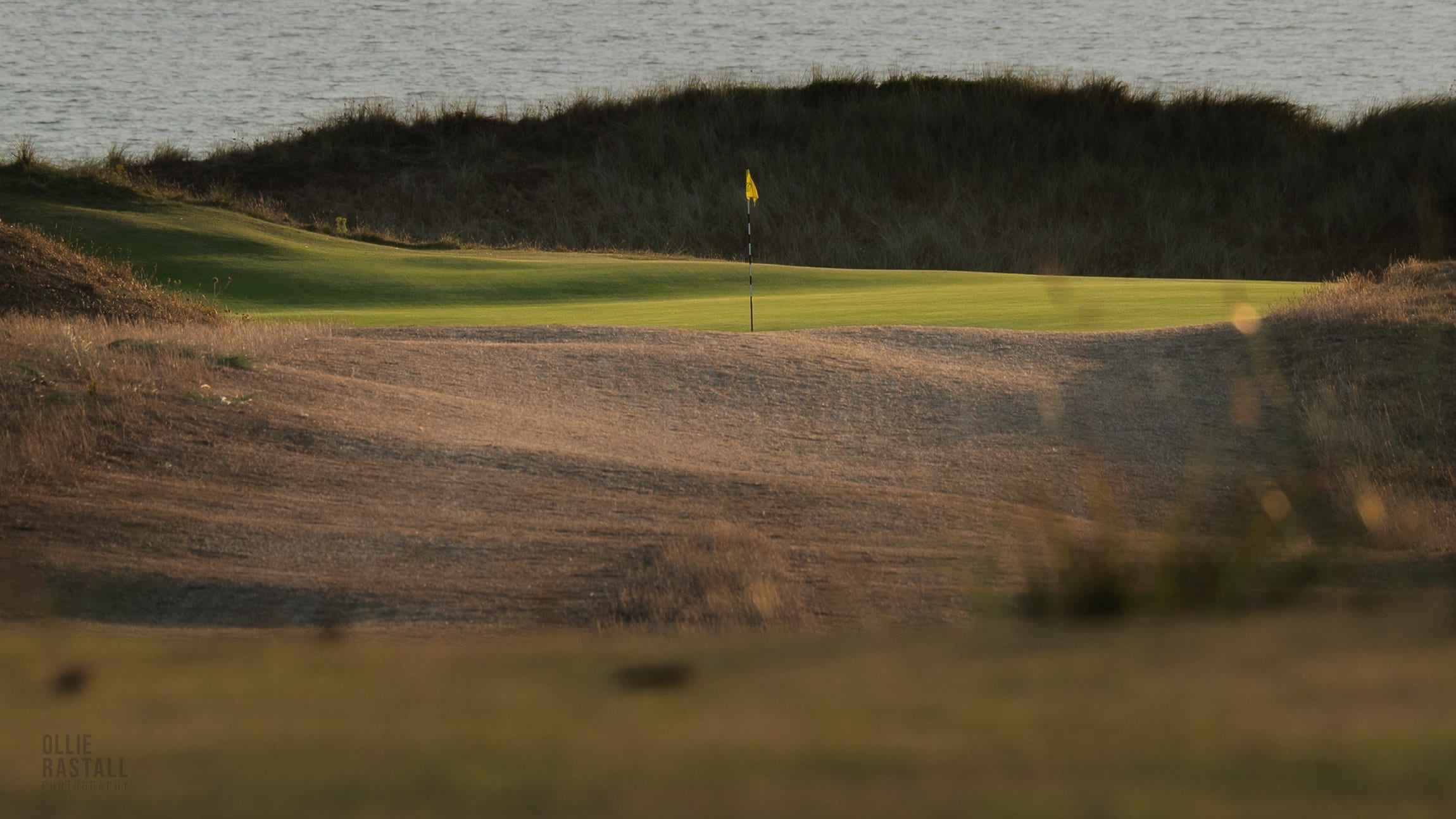
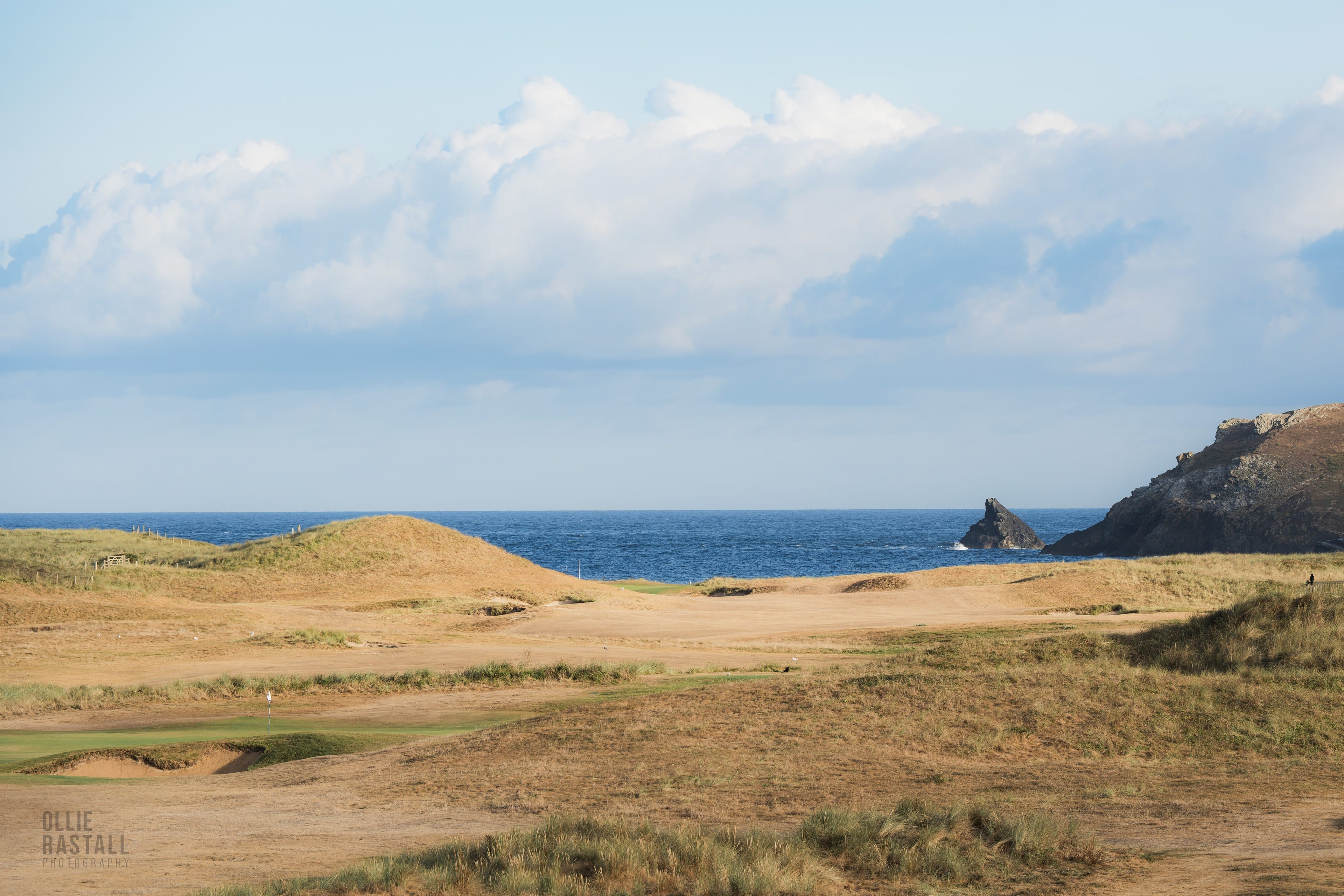
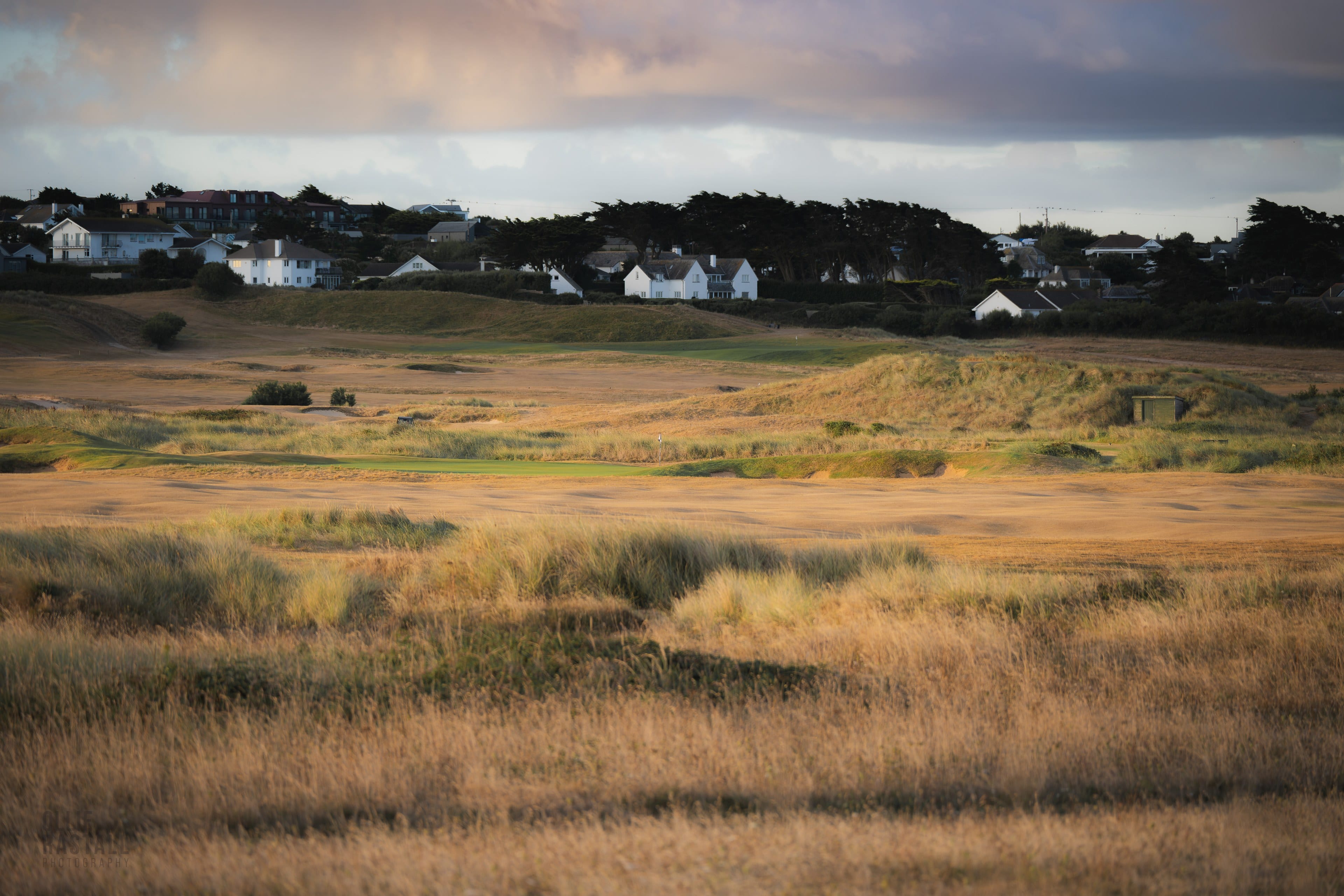
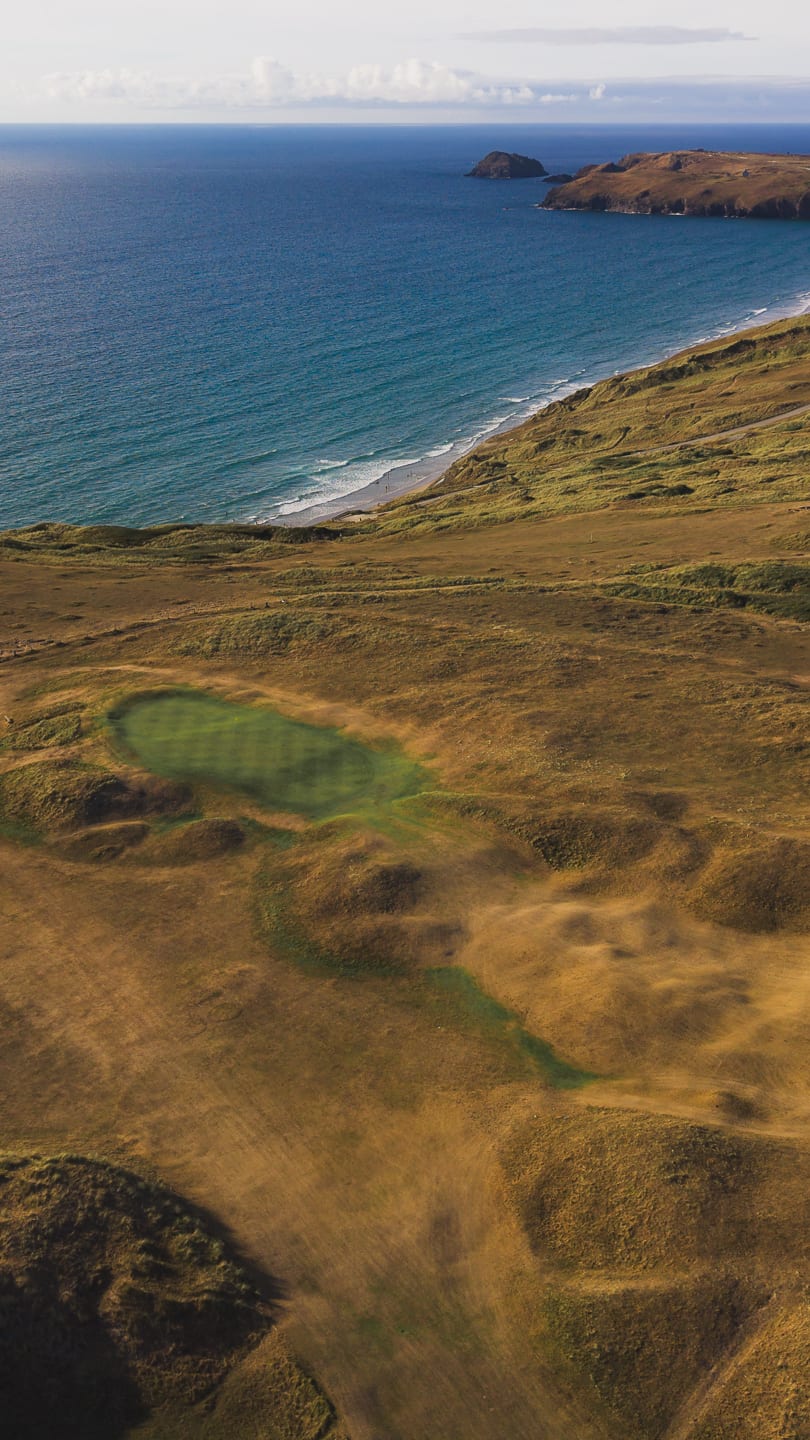
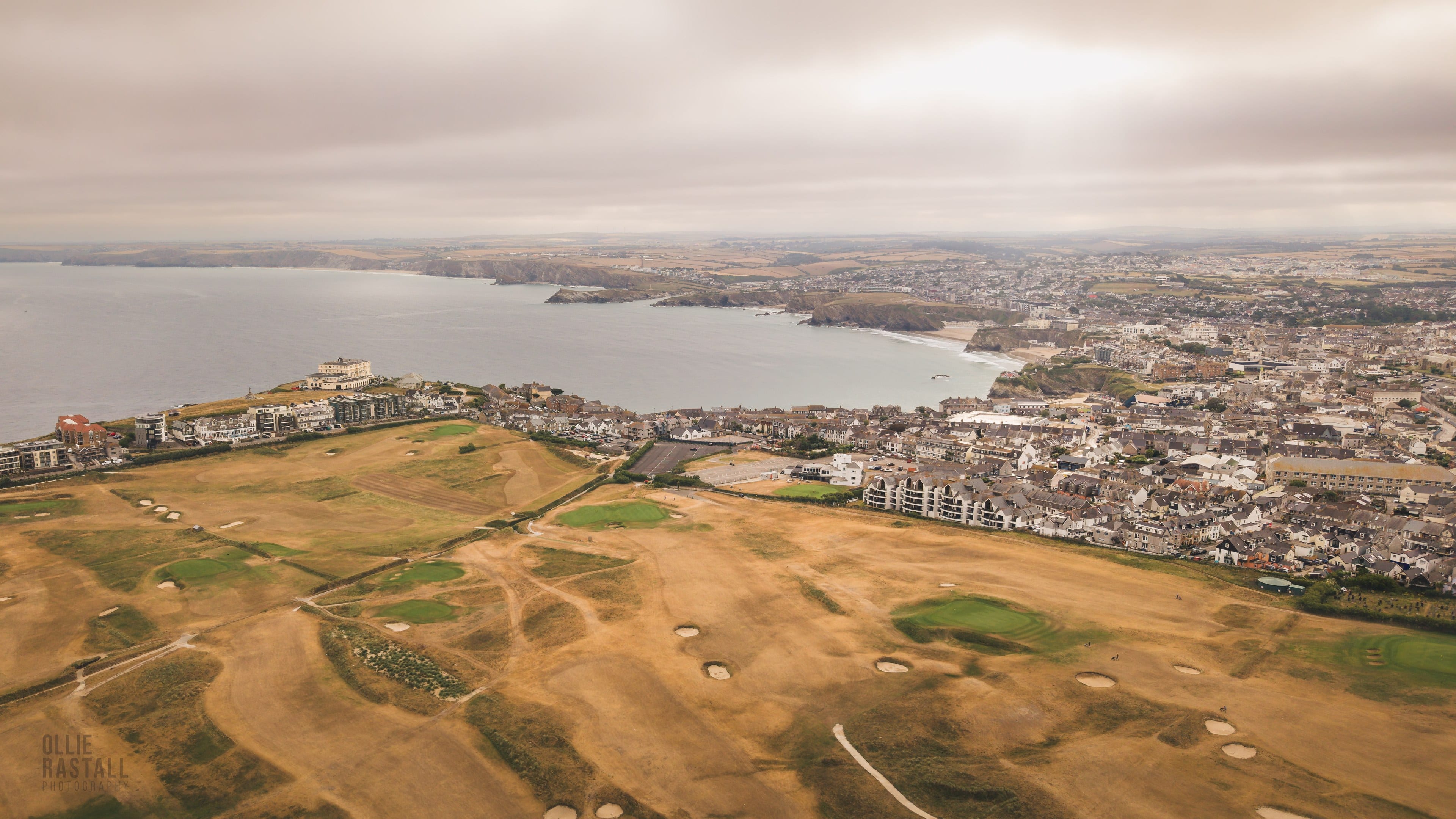
In July, I visited Cornwall, spending time at Newquay Golf Club, Perranporth Golf Club and Trevose Golf and Country Club. Baked fairways were the norm, with drone photography exposing just how much green had disappeared from the landscape. The conditions certainly made for challenging shoots.
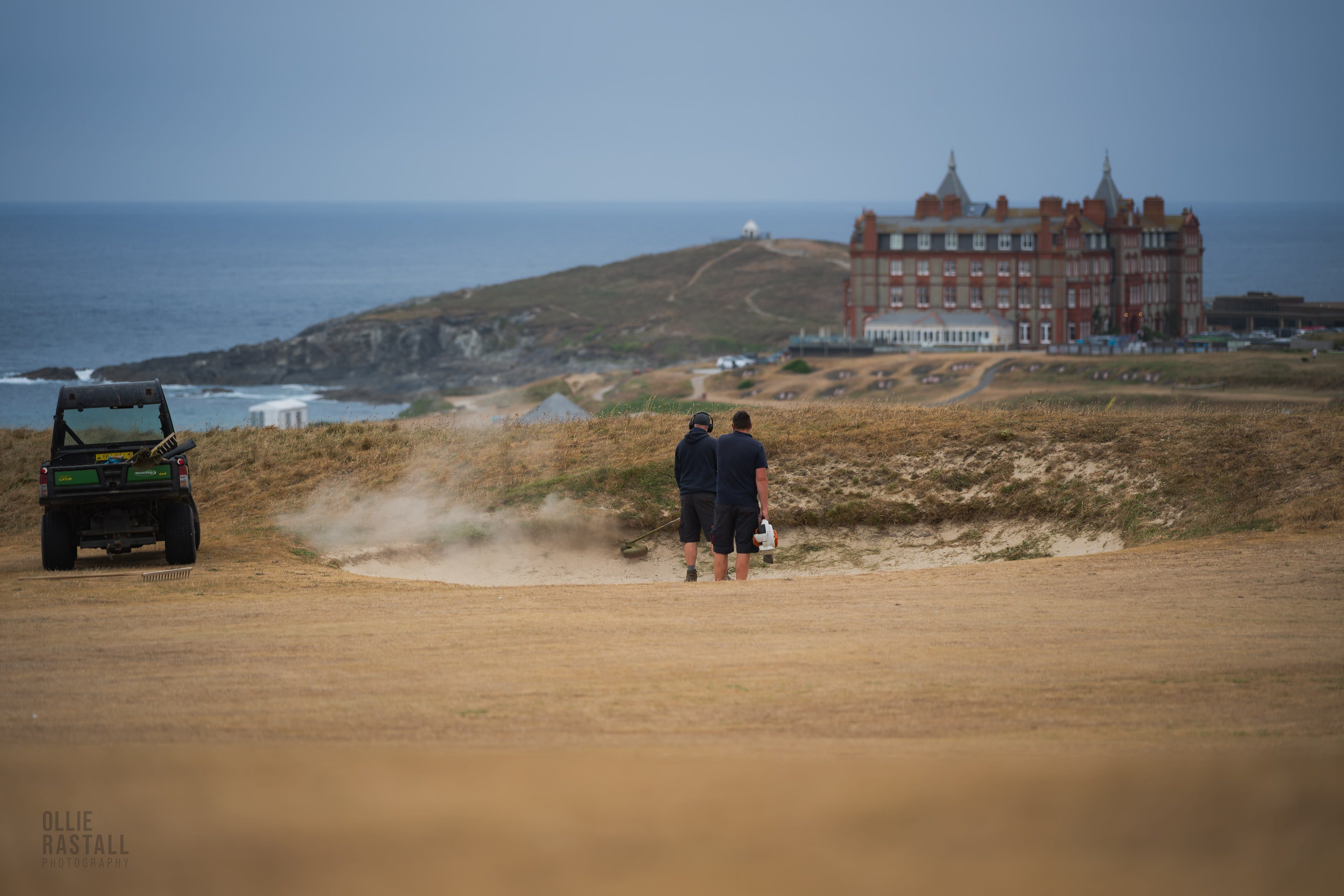
From a documentary perspective, the aerial images were a powerful way to record the severity of the drought. For the courses themselves, however, it presented a different challenge. When you're trying to showcase the beauty of a golf course, vast expanses of brown fairway aren't necessarily what you want your photographs to capture.
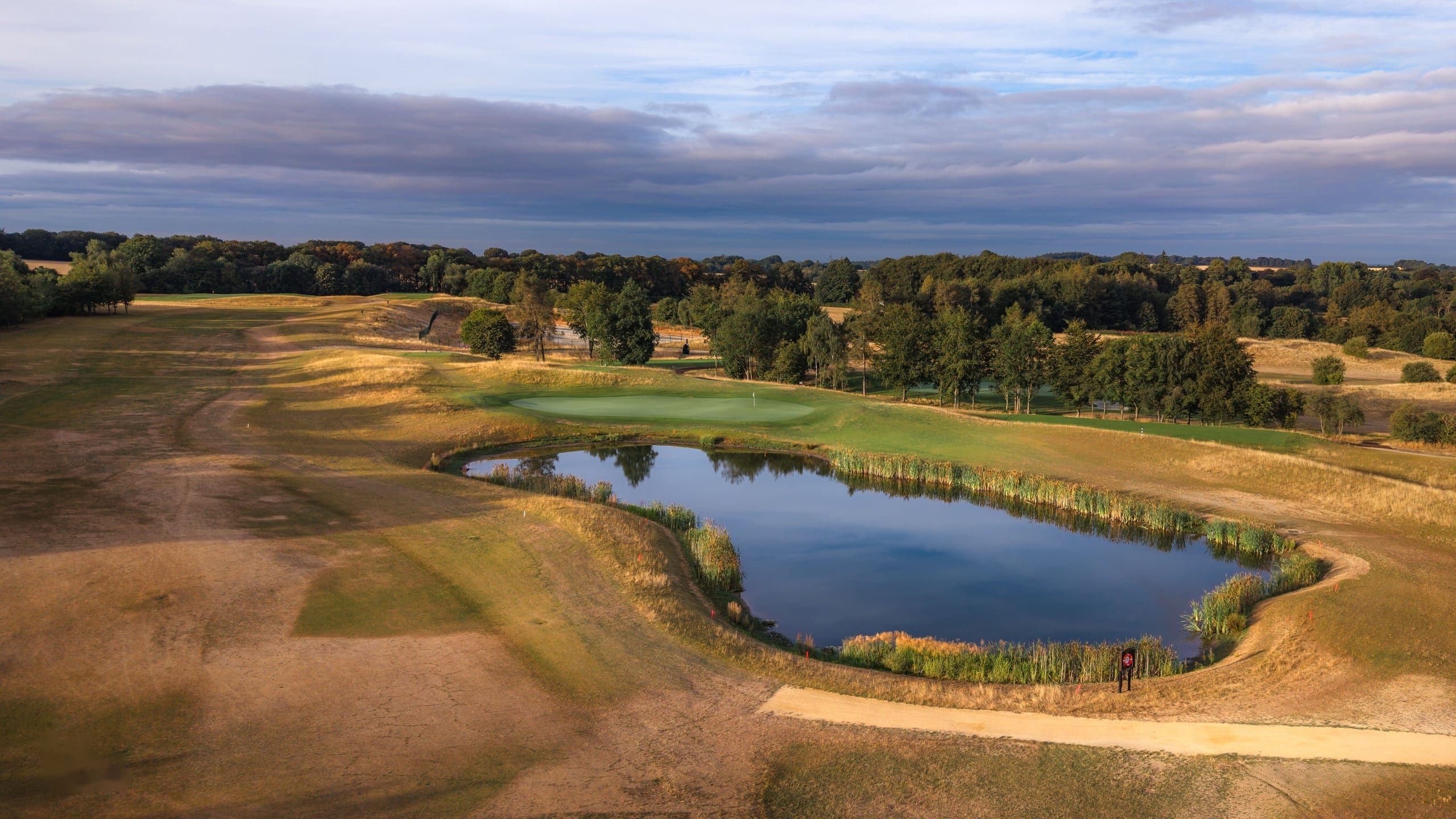
There was nothing more telling than the dramatic drone shots of the low water levels in the reservoir at Basingstoke Golf Club.
Heat, drought and the cost of water
The summer of 2026 may well go down as one of the most challenging in recent memory for the greenkeeping industry.
Extreme temperatures, a lack of rainfall, falling reservoir levels and the rising costs of mains water have created a difficult environment for those responsible for maintaining our golf courses. For many Course Managers, the summer has brought a level of stress that extends far beyond the condition of the turf.
Managing the expectations of committees, members and visitors, whilst keeping team morale high and working within budget, has tested the wider skill set of Course Managers across the country.
Greenkeeping in full view
Few jobs place your decisions so visibly in the public eye. The condition of a course is there for everyone to see, and those decisions have a direct impact on the experience of every golfer. It's a huge responsibility, and one that can be difficult for those outside the industry to fully appreciate.
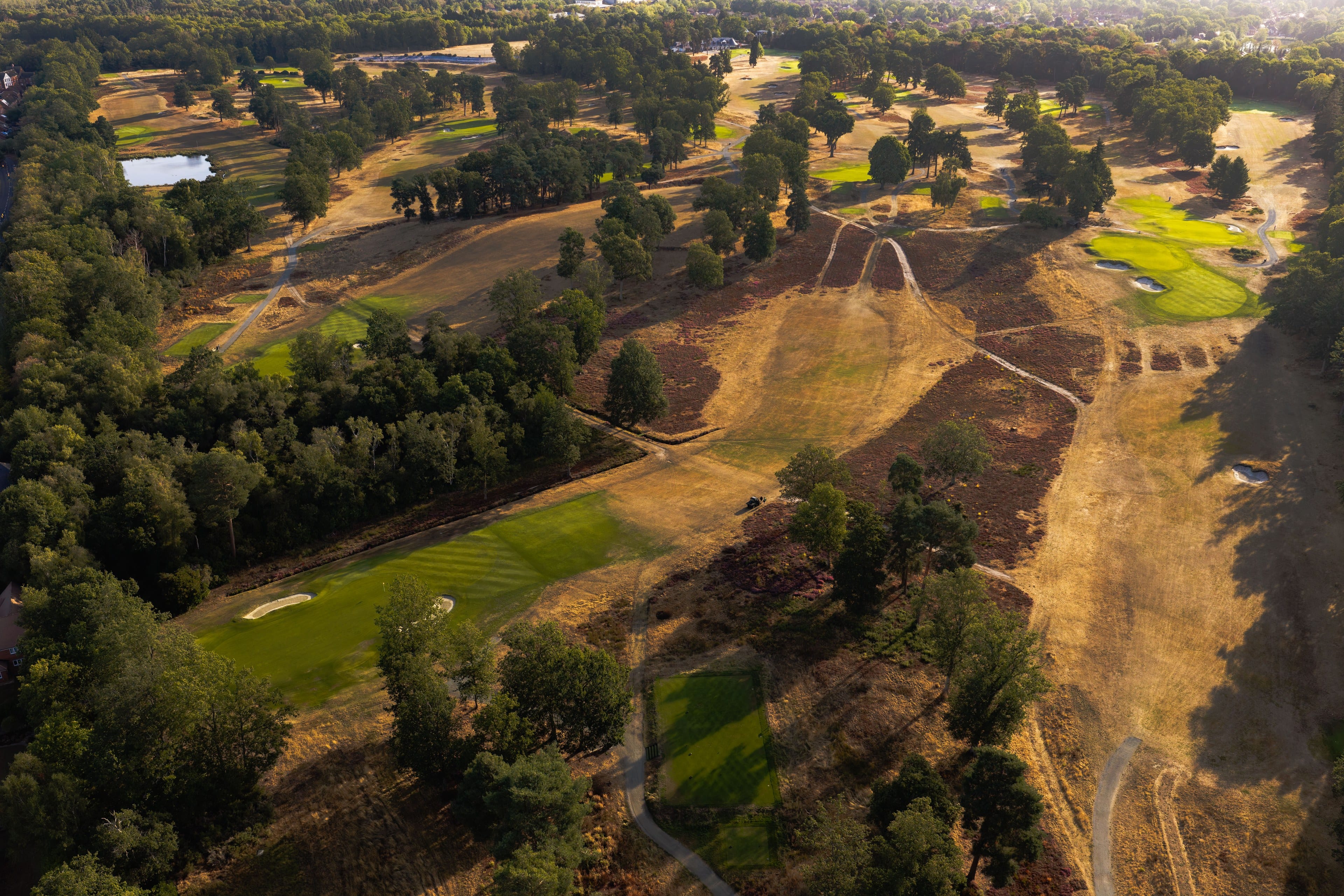
As a member at North Hants Golf Club, I have the privilege of spending time on the course and getting to know Sam Evans and his team. That access gives me a valuable insight into the realities of greenkeeping, how teams feel about their work and how their efforts are perceived by members and visitors.
There is a relentless pressure in knowing that your work is effectively being judged every time someone steps onto the course. Yet much of the effort, planning and problem-solving that goes into maintaining a golf course happens out of sight.
We need to recognise the human cost of that pressure, too. The mental health implications of working under sustained scrutiny, managing difficult conditions and trying to meet competing expectations should not be underestimated.
After the rain
As the rain returns and the fairways begin to recover, it will be tempting to assume that life is returning to normal for the greenkeeping industry. But beneath the greener fairways, there is still plenty to think about.
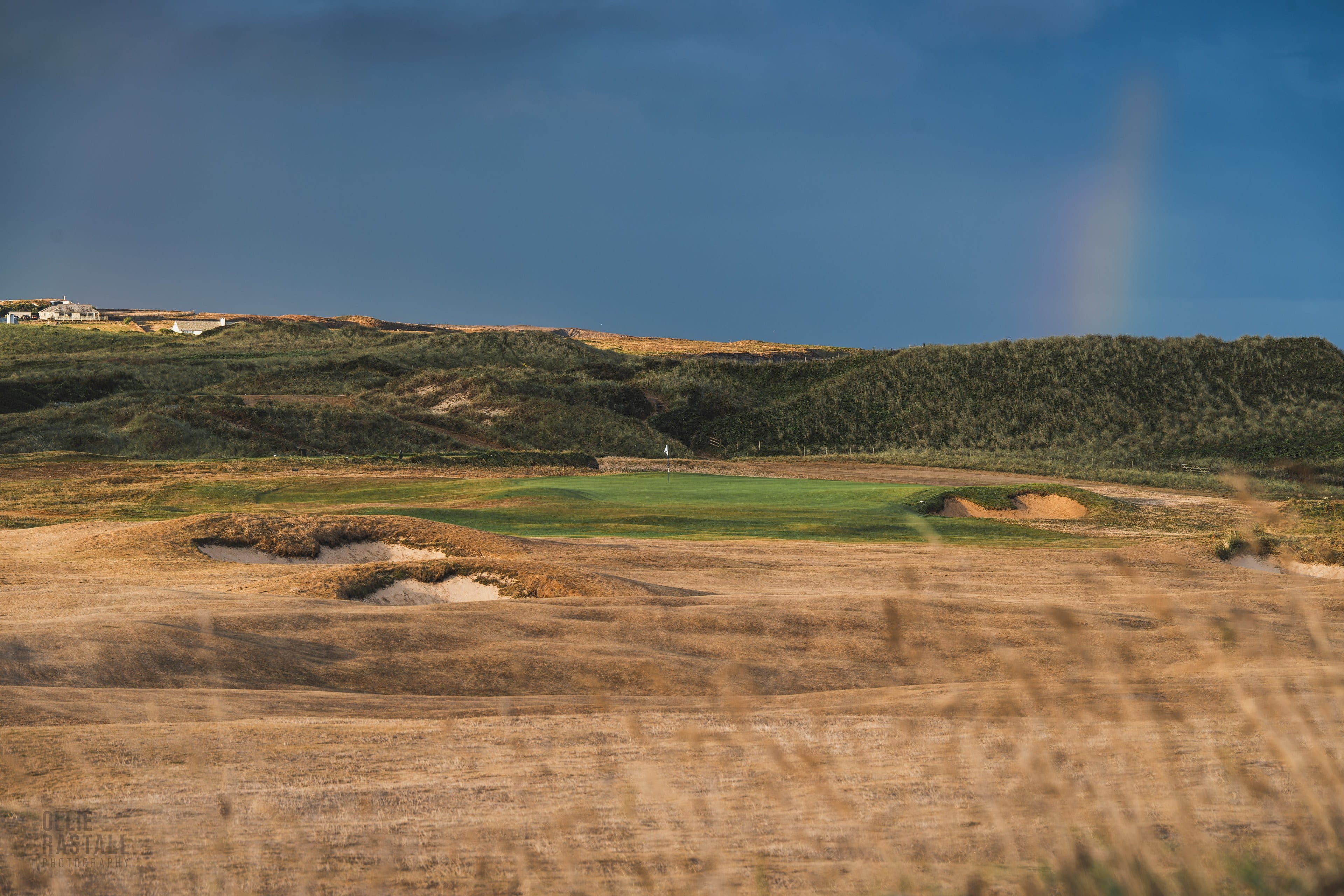
Teams will be reflecting on the challenges of this summer, reviewing what worked, planning for the future and preparing for the possibility that similar conditions could return next year.
Because whilst golfers may remember the summer for the state of their course, greenkeepers will remember it for everything it took to keep it playable. And perhaps that's something worth remembering the next time we walk onto the first tee.
How was your summer?
I'd love to hear from greenkeepers and Course Managers: how has the summer of 2026 affected you and your team? What have been your biggest challenges, and what lessons will you take into next year?
Share your experience in the comments on InstagramLinkedInFacebook
Let's give the people behind our golf courses a chance to share their experiences.